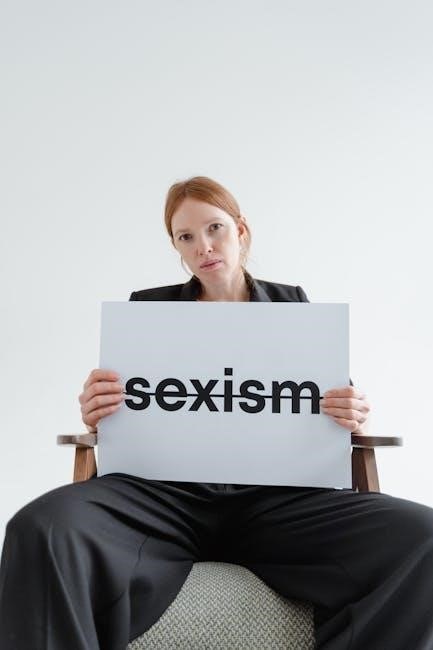
Feminist theory intersects with gender studies, prompting examination of masculinity’s role—particularly within Latin America․ Academic fields explore evolving gender roles,
as evidenced by research from Mexico and Argentina․
The Intersection of Feminist Theory and Gender Studies
Feminist theory, historically focused on women’s oppression, has broadened to encompass the study of gender as a social construct․ This evolution acknowledges that harmful norms affect all genders, not solely women․ Consequently, gender studies emerged as a distinct, yet interconnected, field․
Contemporary feminist scholarship increasingly recognizes the necessity of analyzing masculinity – not to exonerate men, but to deconstruct the systems that perpetuate patriarchal power structures․ Research, like that originating from Mexican universities, highlights a dynamic field attentive to cultural and historical contexts․ This intersection allows for a critical examination of how traditional masculine ideals contribute to gender inequality and violence, paving the way for more inclusive and equitable approaches to social change․
The Relevance of Masculinity Studies within Feminism
Masculinity studies aren’t a rejection of feminist goals, but rather a crucial expansion․ Examining how societal expectations shape men’s behaviors reveals the roots of gender-based violence and inequality․ Argentina’s “Guía Metodológica” exemplifies this, aiming to prevent gender violence by addressing harmful masculinities․
Feminist perspectives recognize that rigid masculine norms limit men’s emotional expression and contribute to their own suffering․ Deconstructing these norms isn’t about blaming individuals, but about dismantling oppressive systems․ This approach fosters “liberating masculinities,” creating space for men to be allies in the feminist movement and actively challenge patriarchal structures․ Cuban agendas demonstrate a commitment to this transformative work, promoting gender equality through education and social programs․
Scope of the Article: Focusing on Latin American Perspectives
This article centers on the evolving discourse surrounding gender and masculinity within Latin America․ It investigates how feminist theory informs, and is informed by, regional studies—specifically examining academic landscapes in Mexico and the role of universities in promoting gender diversity․
We will analyze governmental initiatives, like Argentina’s methodological guide, and explore practical applications in Cuba’s agenda for liberating masculinities․ Furthermore, the article will address current debates, including concerns about gender progress and the complexities of gender identity․ Through case studies and analysis of events like the Latin American Congress of Feminist Studies, we aim to provide a nuanced understanding of the field’s trajectory․
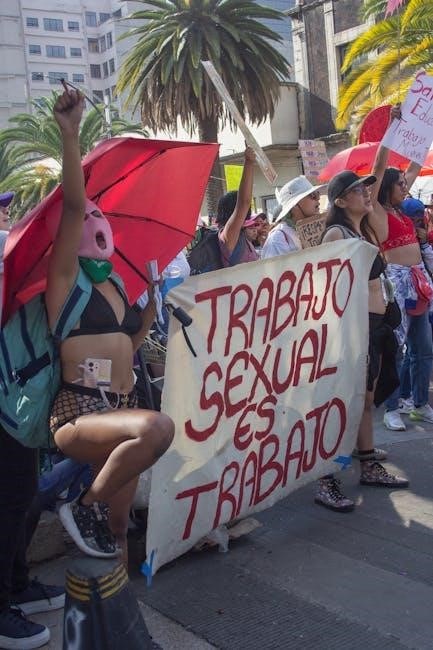
Historical Context: Evolution of Gender Roles
Historically, understandings of masculinity preceded feminist critiques․ First and second-wave feminisms spurred gender studies, while masculinity studies emerged as a response and dialogue․
Pre-Feminist Understandings of Masculinity
Before the rise of feminist thought, masculinity was largely defined by traditional societal norms and expectations․ These pre-feminist conceptions often centered around notions of strength, stoicism, and dominance, frequently linked to roles of provider and protector․
Cultural and historical contexts heavily shaped these understandings, varying across different societies and time periods․ However, a common thread involved the suppression of emotions considered “feminine” and the reinforcement of hierarchical structures where men held positions of power․
Academic exploration, as seen in Mexican studies, reveals how these ingrained beliefs influenced social interactions and limited expressions of male identity․ This historical backdrop is crucial for understanding the subsequent challenges to these norms brought forth by feminist movements․
The First and Second Wave Feminisms and Their Impact on Gender Studies
First-wave feminism, focused on suffrage and legal equality, indirectly challenged traditional masculine roles by advocating for women’s participation in public life․ However, it was second-wave feminism in the mid-20th century that directly interrogated gender as a social construct, profoundly impacting gender studies․
This wave broadened the scope beyond legal rights to encompass issues of sexuality, reproductive rights, and challenging patriarchal structures․ Critiques of societal norms exposed how masculinity was also constructed and often oppressive․
Latin American feminist scholars began to analyze how these dynamics played out within their specific cultural contexts, laying the groundwork for future masculinity studies․ This period sparked crucial dialogues about power, identity, and the need to deconstruct harmful gender stereotypes․
The Rise of Masculinity Studies as a Response to Feminist Critiques

Masculinity studies emerged as a direct response to feminist critiques of patriarchal systems and traditional masculine norms․ Initially, some men perceived feminism as an attack on masculinity, prompting a defensive reaction․ However, scholars increasingly recognized the need to understand how masculinity itself was socially constructed and often harmful․
This field aimed to deconstruct the idea of a singular, “natural” masculinity, exploring its diverse expressions and the pressures men face to conform to rigid expectations․ Research began to examine the links between masculinity and violence, power imbalances, and emotional repression․
In Latin America, this development coincided with growing awareness of gender-based violence and the need for interventions targeting harmful masculine behaviors․
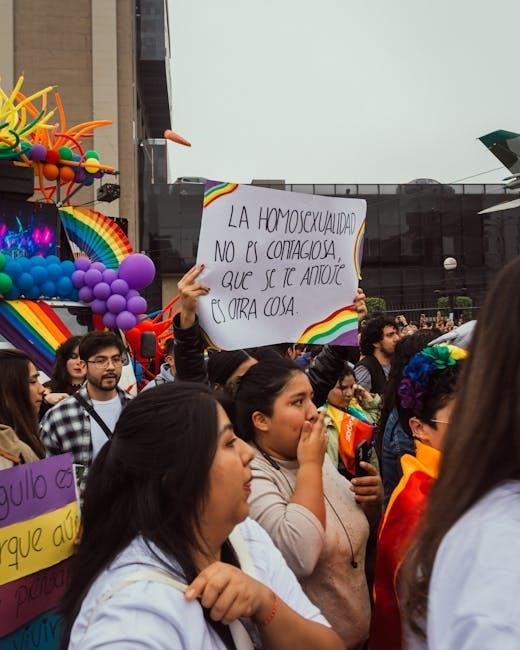
Masculinity Studies in Latin America
Latin American universities actively promote gender and diversity studies, with Mexico leading academic exploration of masculinities, fostering dialogue between culture and education․
The Mexican Academic Landscape of Masculinity Studies
Mexico’s university system demonstrates a dynamic field of masculinity studies, deeply connected to higher education and broader cultural and historical contexts․ Research actively investigates how masculinities are configured within academic spaces, moving beyond traditional understandings․
This field isn’t isolated; it engages in ongoing dialogue with feminist perspectives and critical analyses of gender roles․ The academic landscape seeks to understand the complexities of masculine identities, challenging norms and promoting inclusive research․ A key focus involves examining the intersections of masculinity with power structures, violence, and social change within the Mexican context․
Furthermore, studies explore the impact of these dynamics on individuals and communities, contributing to a more nuanced understanding of gender relations in Latin America․
The Role of Universities in Promoting Gender and Diversity Studies
Latin American universities are pivotal in fostering gender and diversity studies, creating spaces for critical inquiry and challenging traditional norms․ Institutions like the University of Oviedo in Spain exemplify enthusiasm for advancing these fields, demonstrating a commitment to gender equality․
These universities actively promote research, curriculum development, and public engagement initiatives focused on gender issues․ They serve as hubs for scholars and activists, facilitating collaboration and knowledge exchange․ Furthermore, universities play a crucial role in training future generations of researchers and practitioners equipped to address complex gender-related challenges․
This commitment extends to incorporating intersectional approaches, recognizing the interconnectedness of gender with other social categories․
Challenges and Opportunities in Latin American Masculinity Research
Masculinity research in Latin America faces unique challenges, including political polarization and concerns about perceived “rollbacks” in gender progress․ Navigating these complexities requires careful consideration of evolving societal attitudes and power dynamics․ Despite these hurdles, significant opportunities exist to advance understanding of masculinities․
Researchers are exploring liberating masculinities through feminist lenses, aiming to deconstruct harmful norms and promote gender equality․ Cuba’s agenda for liberating masculinities exemplifies this approach, offering a practical model for intervention․
Further research is needed to address gender violence and promote male allyship within the feminist movement, building upon methodological guides like Argentina’s․

Government Initiatives and Methodological Guides
Argentina’s “Guía Metodológica” addresses masculinities and prevents gender violence, promoting equality through national policies․ These initiatives support gender diversity studies․
The Argentinian “Guía Metodológica” for Addressing Masculinities
Argentina’s “Guía Metodológica para el Abordaje de las Masculinidades y Prevención de la Violencia de Género” represents a significant governmental effort to engage with and transform traditional understandings of masculinity․ This methodological guide isn’t simply a document; it’s a proactive tool designed to foster processes of reflection and action concerning men and masculinities․
The initiative aims to move beyond simply identifying harmful masculine behaviors to actively promoting healthier, more equitable expressions of manhood․ It acknowledges the crucial link between societal norms surrounding masculinity and the prevalence of gender-based violence․ By providing a framework for understanding these connections, the guide empowers professionals and educators to implement interventions that challenge patriarchal structures and promote respectful relationships․
Ultimately, the Guía Metodológica signifies a commitment to gender equality and a recognition that achieving this goal requires engaging men and boys in the conversation․
Preventing Gender Violence Through Masculinity Work
Masculinity work, as framed by the Argentinian “Guía Metodológica,” directly addresses the root causes of gender violence by challenging harmful norms and promoting respectful behaviors․ This approach recognizes that violence isn’t simply an individual issue, but a systemic problem deeply embedded in societal expectations of men․
The guide advocates for interventions that encourage men to critically examine their own beliefs and behaviors, fostering empathy and accountability․ This includes addressing issues like machismo, control, and entitlement – traits often associated with violent tendencies․ By deconstructing these harmful ideals, masculinity work aims to create a culture where violence is no longer tolerated or normalized․
Furthermore, it emphasizes the importance of empowering men to become allies in the fight for gender equality, actively challenging sexism and supporting women’s rights․
National Policies and Programs Focused on Gender Equality
Argentina’s commitment to gender equality is demonstrated through initiatives like the “Guía Metodológica”, which informs national policies aimed at addressing harmful masculinities and preventing gender-based violence․ These programs extend beyond simply reacting to violence; they proactively seek to transform societal norms and power dynamics․
Government efforts often involve educational campaigns promoting gender equality in schools and workplaces, alongside legal reforms strengthening protections for women and marginalized groups․ Cuba’s agenda for liberating masculinities exemplifies a broader regional trend towards integrating feminist principles into national strategies․
These policies aim to create a more equitable society where all individuals, regardless of gender, can thrive and participate fully in all aspects of life․
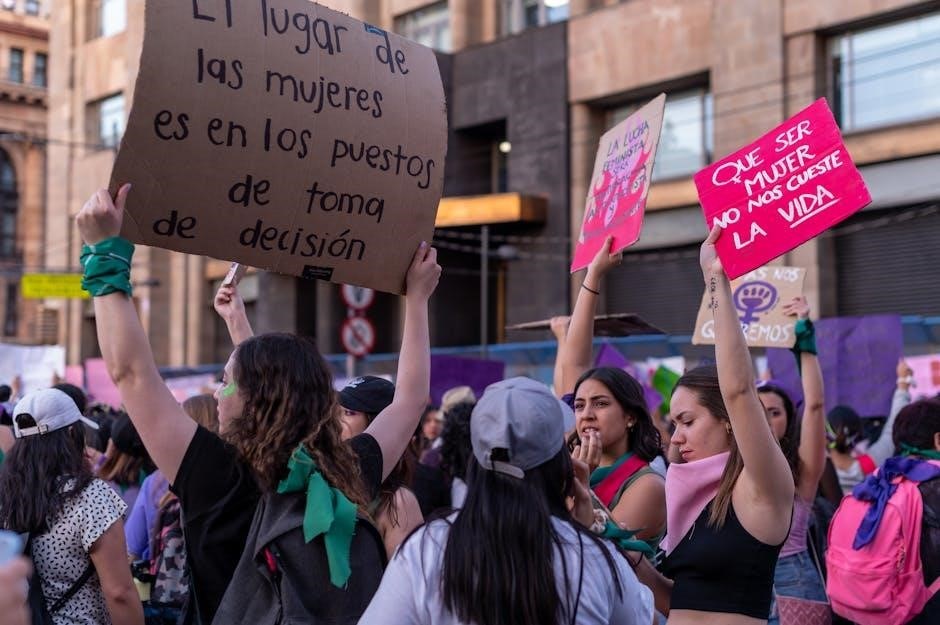
Feminist Perspectives on Masculinity
Feminist thought deconstructs traditional norms, seeking to liberate masculinities and foster male allies within the movement for broader gender equality and social justice․
Deconstructing Traditional Masculine Norms
Traditional masculinity, historically defined by dominance and suppression of emotion, faces critical scrutiny through feminist lenses․ This deconstruction isn’t about demonizing men, but rather dismantling harmful societal expectations․ The Argentinian “Guía Metodológica” exemplifies this, aiming to address masculinities and prevent gender-based violence by challenging ingrained behaviors․
Feminist scholars argue these norms contribute to both male suffering and female oppression․ Examining the historical evolution of gender roles, as seen in pre-feminist understandings, reveals how constructed these ideas truly are․ Cuba’s agenda for liberating masculinities further demonstrates a proactive approach to reshaping these norms, promoting equality through education and social programs․ Ultimately, deconstruction paves the way for healthier, more equitable expressions of masculinity․
Liberating Masculinities: A Feminist Approach
A feminist approach to masculinity isn’t about punishing men, but freeing them from restrictive societal expectations․ This liberation involves acknowledging the harm caused by traditional norms – both to women and to men themselves․ Initiatives like Cuba’s agenda actively promote “liberating masculinities,” fostering emotional intelligence and challenging dominance․
The goal is to create space for men to express themselves authentically, beyond prescribed roles․ This aligns with the broader feminist aim of dismantling oppressive structures․ The Argentinian methodological guide highlights the importance of addressing masculinities to prevent gender violence, demonstrating a practical application of this approach․ Ultimately, liberating masculinities benefits everyone by fostering a more just and equitable society․
The Potential for Male Allies in the Feminist Movement
Male allies are crucial for advancing feminist goals, yet their role requires careful navigation․ Genuine allyship involves actively listening to and amplifying women’s voices, rather than centering male experiences․ The Argentinian guide on addressing masculinities underscores the need for men to engage in self-reflection and challenge their own biases․
Effective allies utilize their privilege to dismantle patriarchal structures and advocate for gender equality․ This includes challenging harmful behaviors among other men and supporting feminist initiatives․ Cuba’s work on liberating masculinities demonstrates a proactive approach to engaging men in the fight against gender-based violence․ Their participation is not about taking over, but about supporting and empowering feminist leadership․
Current Debates and Controversies
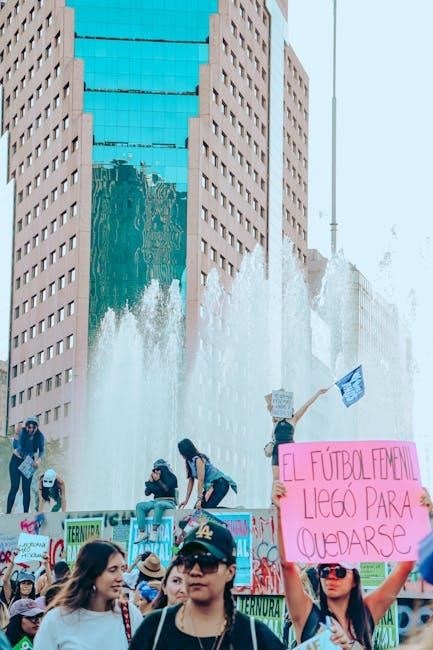
Gender progress faces perceived “rollbacks,” sparking debate around identity and expression․ Political polarization complicates these issues, as seen in discussions about gender studies in Spain․
Concerns About Perceived “Rollbacks” in Gender Progress
A significant concern revolves around the notion of setbacks in advancements made towards gender equality․ Some scholars, like those at the Public University of Navarra, cautiously suggest avoiding definitive claims of regression, emphasizing the complexity of assessing progress․ However, anxieties persist regarding potential erosion of hard-won rights and protections for marginalized genders․
These concerns are fueled by political shifts and societal resistance to evolving gender norms․ The debate often centers on interpretations of gender identity and expression, leading to polarization and challenges in maintaining inclusive policies․ The discussion highlights the fragility of progress and the ongoing need for vigilance in safeguarding gender equality initiatives, particularly within academic and governmental spheres, as seen in Latin American contexts․
The Debate Around Gender Identity and Expression
The discourse surrounding gender identity and expression represents a crucial, and often contentious, area within contemporary gender studies․ This debate frequently intersects with feminist perspectives, challenging traditional binary understandings of sex and gender․ Discussions explore the spectrum of gender identities beyond male and female, and the importance of self-determination in defining one’s own gender expression․
Latin American scholarship, alongside global feminist thought, increasingly recognizes the need for inclusivity and affirmation of diverse gender identities․ However, this recognition often faces resistance from conservative forces, contributing to political polarization․ The debate necessitates nuanced approaches that respect individual autonomy while addressing systemic inequalities and promoting social justice for all gender identities․
Navigating Political Polarization and Gender Issues
Political polarization significantly complicates progress on gender equality in Latin America․ As evidenced by recent debates, conservative backlash against feminist advancements creates substantial obstacles․ Concerns about perceived “rollbacks” in gender progress are widespread, fueled by resistance to inclusive policies and gender identity recognition․
Navigating this landscape requires strategic advocacy and coalition-building․ Scholars and activists must address misinformation and challenge harmful narratives․ The increasing politicization of gender issues demands a commitment to intersectional approaches, recognizing the interconnectedness of gender with other forms of oppression․ Maintaining momentum necessitates robust research, public education, and sustained engagement with policymakers․
Congresses and Academic Events
Latin American feminist studies congresses foster crucial discussions on research and methodology; Events in Montevideo and beyond promote networking and collaboration among gender scholars․
The Latin American Congress of Feminist Studies of the South
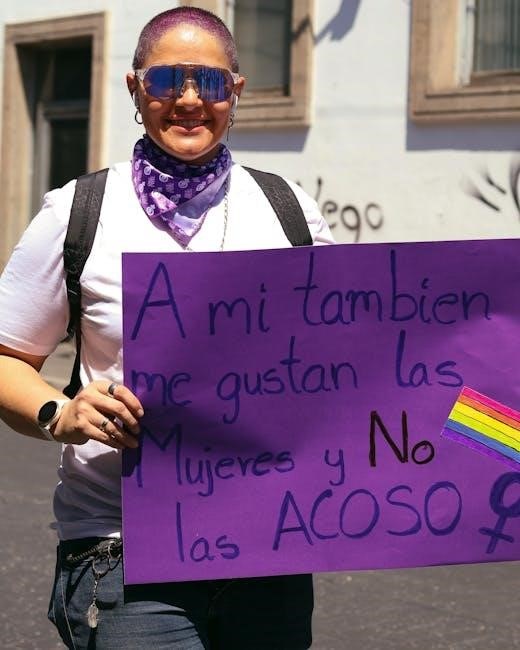
The Latin American Congress of Feminist Studies of the South serves as a vital platform for scholars across the region to convene and critically analyze current research․ Held in locations like Montevideo, the congress encourages reflection on diverse studies, fostering a space for intellectual exchange and collaborative efforts․
These gatherings are instrumental in advancing feminist thought and methodology within the Latin American context․ Discussions often center on the intersection of gender, power, and social justice, with increasing attention given to the evolving understanding of masculinities․ The congress facilitates networking opportunities, allowing researchers to connect, share insights, and build partnerships for future projects․ It’s a key event for shaping the trajectory of feminist scholarship in the region․
Discussions on Feminist Research and Methodology
Feminist research and methodology within Latin American studies are undergoing continuous refinement, driven by a need for nuanced understandings of gender dynamics․ Scholars are actively debating approaches to studying masculinities, moving beyond traditional frameworks to incorporate intersectional perspectives․
The Argentinian “Guía Metodológica” exemplifies this shift, providing a framework for addressing masculinities and preventing gender-based violence․ Discussions emphasize the importance of challenging patriarchal norms and promoting liberating masculinities․ Methodological debates also encompass concerns about potential “rollbacks” in gender progress and navigating political polarization․ Researchers are exploring innovative methods to address complex issues of gender identity and expression, ensuring inclusivity and social change․
Networking and Collaboration Among Gender Scholars
Latin American feminist scholars actively foster networks through events like the Latin American Congress of Feminist Studies of the South, creating vital spaces for collaboration․ These congresses facilitate the exchange of research, methodologies, and best practices in gender studies․
Such gatherings are crucial for addressing shared challenges, including gender violence and political polarization․ Collaboration extends beyond academic circles, involving partnerships with governmental initiatives – like Argentina’s methodological guide – and social work programs․ This interconnectedness strengthens the impact of feminist research, promoting advocacy and social change across the region, and fostering a dynamic academic landscape focused on evolving gender roles․
Case Studies and Practical Applications
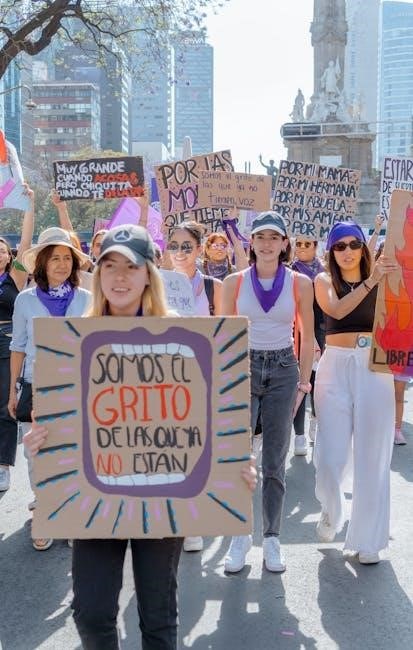
Cuba’s agenda for liberating masculinities, alongside educational programs, demonstrates practical applications of feminist principles․ These initiatives address gender equality in social work and education․
Cuba’s Agenda for Liberating Masculinities
Cuba has pioneered a unique approach with its “agenda for liberating masculinities,” explicitly framed within a feminist perspective․ This initiative, presented in late November 2023, signifies a deliberate effort to move beyond traditional understandings of masculinity and actively dismantle harmful gender norms․
The agenda isn’t simply about including men in feminist discussions; it’s about fundamentally reshaping what it means to be a man in Cuban society․ It aims to challenge patriarchal structures and promote more equitable relationships, recognizing that rigid masculine expectations contribute to gender-based violence and inequality․ This proactive stance positions Cuba as a noteworthy case study in Latin America, demonstrating a commitment to practical, feminist-informed interventions․
The program seeks to foster a space where men can critically examine their own socialization and embrace alternative, non-violent expressions of masculinity, ultimately contributing to a more just and egalitarian society․
Educational Programs Promoting Gender Equality
Latin American nations are increasingly integrating gender equality into educational curricula, recognizing schools as crucial sites for challenging ingrained societal norms․ These programs move beyond simply teaching about gender; they aim to actively deconstruct traditional roles and promote respectful relationships․
Initiatives often focus on fostering critical thinking skills, enabling students to analyze power dynamics and question stereotypes․ Argentina’s methodological guide for addressing masculinities exemplifies this approach, providing educators with tools to facilitate discussions about gender violence prevention and healthy masculinity․
Such programs aren’t limited to formal schooling; community-based workshops and training sessions also play a vital role in reaching broader audiences, fostering a more inclusive and equitable understanding of gender across all sectors of society․
Addressing Masculinity in Social Work and Education
Social work and education are pivotal in reshaping understandings of masculinity, moving beyond traditional norms towards healthier expressions․ Professionals are increasingly trained to recognize how societal expectations impact men and boys, contributing to issues like violence and emotional repression․
Interventions focus on promoting emotional literacy, encouraging men to challenge harmful stereotypes, and fostering respectful relationships․ Argentina’s guide exemplifies this, offering methodologies for addressing masculinities and preventing gender-based violence within social work contexts․
Educational settings are also vital, incorporating gender-sensitive approaches to curriculum and pedagogy․ This includes challenging biased representations and creating safe spaces for open dialogue about gender roles and expectations, ultimately fostering a more equitable society․
The Future of Gender Studies and Feminism
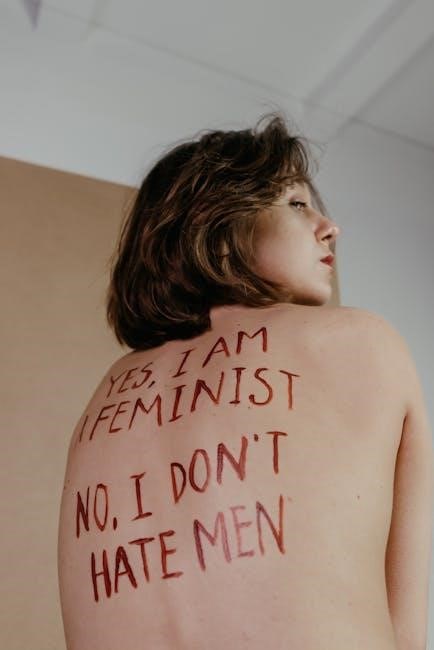
Intersectional research will continue evolving, demanding advocacy and social change․ Emerging trends necessitate navigating political polarization while promoting gender equality across Latin America and beyond․
Emerging Trends in Gender Research
Contemporary gender research is increasingly focused on deconstructing traditional norms and exploring liberating masculinities, as seen in Cuban agendas․ A key trend involves analyzing the complexities of gender identity and expression, acknowledging diverse experiences beyond binary classifications․
Furthermore, there’s a growing emphasis on intersectionality, recognizing how gender intersects with other social categories like race, class, and sexuality․ Studies in Mexico demonstrate a dynamic field attentive to cultural and historical contexts․ Methodological guides, like Argentina’s, are crucial for addressing masculinities and preventing gender violence․
The field also grapples with concerns about potential “rollbacks” in gender progress, necessitating vigilant advocacy․ Academic events, such as the Latin American Congress of Feminist Studies, foster collaboration and refine research methodologies․
The Importance of Intersectional Approaches
Intersectional analysis is paramount in contemporary gender studies, acknowledging that gender doesn’t exist in isolation․ It’s crucial to understand how gender intersects with factors like class, race, and sexuality, shaping unique experiences of power and oppression․
Latin American research, particularly in Mexico, highlights the need to consider cultural and historical contexts․ Argentina’s methodological guide for addressing masculinities exemplifies a nuanced approach․ Recognizing diverse experiences is vital, moving beyond simplistic binaries․
This approach informs feminist perspectives on masculinity, deconstructing harmful norms and fostering liberating alternatives․ It’s essential for effective advocacy and social change, addressing systemic inequalities and promoting genuine gender equality across all societal levels․
The Ongoing Need for Advocacy and Social Change
Despite progress, sustained advocacy remains critical for advancing gender equality in Latin America and globally․ Concerns about potential “rollbacks” necessitate vigilant defense of hard-won rights and continued efforts to dismantle patriarchal structures․
Initiatives like Cuba’s agenda for liberating masculinities and Argentina’s methodological guide demonstrate proactive approaches․ However, broader systemic change requires addressing political polarization and fostering inclusive dialogues on gender identity and expression․
Academic events, such as the Latin American Congress of Feminist Studies, provide vital platforms for collaboration and knowledge sharing․ Ultimately, lasting change demands ongoing commitment to social justice and empowerment for all genders․